
Guidelines

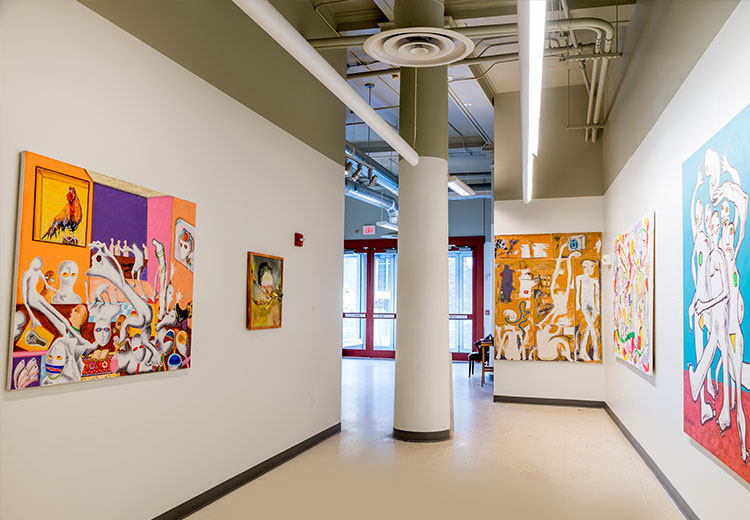
Arts & Humanities Grants support innovative community projects that have both arts and humanities components.

These grants are intended to support innovative, Maine-based community projects with rich and well-developed arts and humanities components. We are excited to support projects with strong participation from artists/topic experts, robust support from partners in the community, and broad public outreach, especially to new audiences.

Maine Humanities is updating our eligibility requirements for our Major, Mini, and Arts & Humanities Grants. Beginning in 2025, if you or your organization receives a Maine Humanities project grant (Major, Mini, or Arts & Humanities Grant), you are not eligible to apply again in either the same or the following calendar year. For example, an organization awarded a project grant (at any point) in 2025 would not be eligible to apply for ANY Maine Humanities grants until January 2027.

Funds, Priorities, and Criteria

  • Up to $1,000
  • Must include both arts and humanities components.

Organizations serving and/or led by members of communities traditionally under-resourced in the arts and humanities are encouraged to apply. We evaluate proposals on their strength and clarity in the following areas: arts and humanities content, project goals and impact, project design, outreach and engagement, and budget.

Common Questions
What are the humanities?

The main goal of the humanities is to develop awareness and understanding of people’s lived experience, and to put it into words. Any aspect of human culture — literature, art, music, history, laws, ethics, philosophy – becomes humanities content when participants in the program or project are invited to deepen their understanding of the work and its context through interpretation, analysis, or discussion.

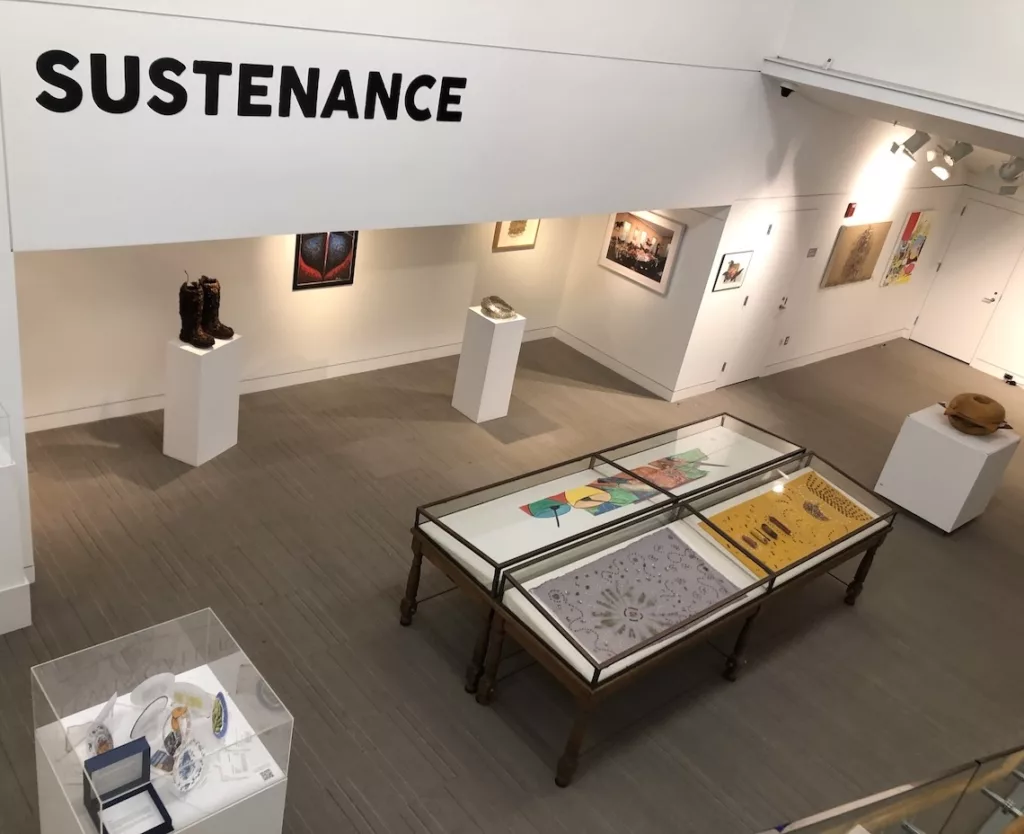
Humanities programs and projects can take many forms: exhibitions, conferences, film/video productions, podcasts/radio shows, discussions, performances framed by interpretation. What they have in common is a commitment to involving people in thinking, reflecting, and talking about important aspects of what it can be like to be alive.

One of the hallmarks of the humanities is the ethic of nonjudgmental discussion. All projects must evidence a spirit of inquiry, a balance between critical and celebratory perspectives, and provide a range of viewpoints and informed opinions, consistent with MHC’s non-partisan mission. This is especially true when projects treat highly charged issues. Please note that MHC does not fund projects that promote a particular political, religious, or ideological point of view or discriminate against persons or groups.

Who is eligible to apply?

Organizations with 501c3 statusgovernment organizations (such as a federally recognized Indian tribal governments or organizations or state/local/city governments), churches, or education organizations (such as schools or school districts, or public or private institutions of higher education) are eligible to apply without fiscal sponsorship.

If your organization is NOT a 501c3, or equivalent (listed above) you will need a FISCAL SPONSOR for your project.  The National Council of Nonprofits  has a helpful resource sheet on fiscal sponsorship.

Who should we contact if we have questions before applying?

For questions on the application process, please contact Lizz Sinclair or Kyle Volland at Maine Humanities Council. 

Applicants are strongly encouraged to connect with a member of the Maine Humanities Grants Team before applying. If you have never applied for a Maine Humanities Grant or aren’t familiar with the grant application process, we would love to work with you in order to make the process as easy as possible.


Apply

Accepting Applications:

May 19, 2026 – June 16, 2026

October 6, 2026 – November 3, 2026

Project activity must not begin until 8 weeks after the application close date.