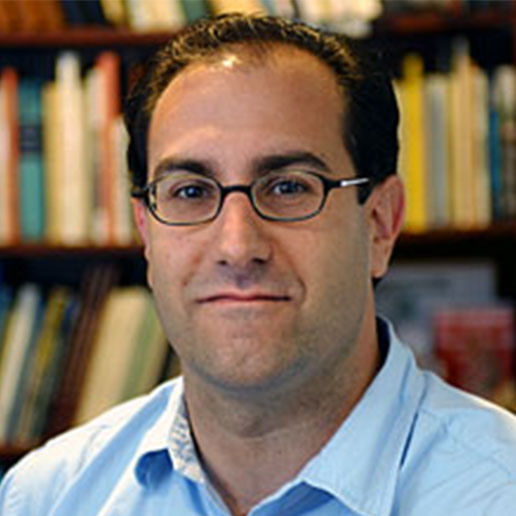
Chair, Native American Programs and Director of Native American Research, University of Maine

he/him

Dr. Ranco serves as Chair of Native American Programs and Coordinator of Native American Research at the University of Maine. His research focuses on the ways in which indigenous communities in the United States resist environmental destruction and how state knowledge systems, rooted in colonial contexts, continue to expose indigenous peoples to an inordinate amount of environmental risk.

A member of the Penobscot Indian Nation, he is particularly interested in how better research relationships can be made between universities, Native and non-Native researchers, and indigenous communities. 

Talks

Land Acknowledgements of Indigenous People

Land Acknowledgments of Indigenous Peoples and territories have been adopted by a number of institutions over the last decade, seeking to build collaborative and ethical relationships with Indigenous peoples. Why is this the case? Why are they necessary? What do they mean? What are the potential pitfalls? In this presentation, Dr. Darren Ranco will explore these issues and how institutions can go beyond these acknowledgments and fulfill the promise of land acknowledgments.


Protecting Wabanaki Basketmaking Traditions: Collaborative Research, Indigenous Science, and Wabanaki Diplomacy

Learn about Dr. Ranco’s nine-year research project to work with Wabanaki tribal splint-ash basketmakers and other key stakeholders in Maine to prepare for the arrival of the Emerald Ash Borer, a devastating invasive pest that kills ash trees. Using sustainability science and indigenous research methods, his team’s approach was inclusive, relevant, impactful, and culturally appropriate. He will emphasize the ways that Wabanaki basketmakers and indigenous researchers use indigenous knowledge and forms of diplomacy to assert sovereignty and influence state and federal resources to fight against this threat.


Wabanaki Climate Justice & Adaptation 

Dr. Ranco examines current and future climate change impacts to the Wabanaki Tribal Nations and their climate adaptation priorities and activism.

Emphasis will be on how climate change is threatening indigenous livelihoods such as agriculture, hunting and gathering, fishing, forestry, energy, recreation, and tourism, and in turn how these threats are already impacting the physical, mental, and spiritual well-being of Wabanaki and other indigenous people. 


Native Americans, the 14th Amendment, and Voting in Maine